Why We Exist
We are living through a period of accelerating climate change, disruption and uncertainty. Increasingly frequent disasters, widening inequities, polarisation and declining trust are exposing the limits of systems designed for a more stable world. Yet our responses often rely on centralised decision-making, short-term projects and narrow definitions of expertise that overlook the lived experience, relationships and local knowledge held within communities. Through our own experiences of disaster and many years working alongside communities navigating recovery and change, we have seen both the harm of these approaches and the strength of what communities already hold.

Futures We Make exists because we believe this moment requires more than better community engagement. It requires a different way of working together, one that shifts how knowledge and power are valued and shared. We see communities as places of knowledge, capability and collective action.
Our role is to reveal what is already present, bring different forms of knowledges together, and support communities, organisations and institutions to (un)learn and act, so that the people most impacted by disruption and harm have greater control over their own futures being made.
Our work is predicated on the need to rethink who holds knowledge, how decisions are made, and how communities are supported to shape the futures they want to make.
Why Lived-Experience Matters
Lived experience is the knowledge and understanding gained through directly experiencing, navigating or being affected by an issue, place, system or circumstance. It is shaped by people’s histories, relationships, identities, environments and circumstances, and by the ways these intersect with systems of power and privilege.
For us, lived experience is expertise. It is not singular or universal, and no one person can speak for an entire community. An intersectional approach recognises that people experience the same issue differently, and that some experiences are more readily heard, recognised or valued than others. Valuing lived experience means making space for these diverse perspectives to shape how we understand an issue, the questions we ask and the decisions that follow.
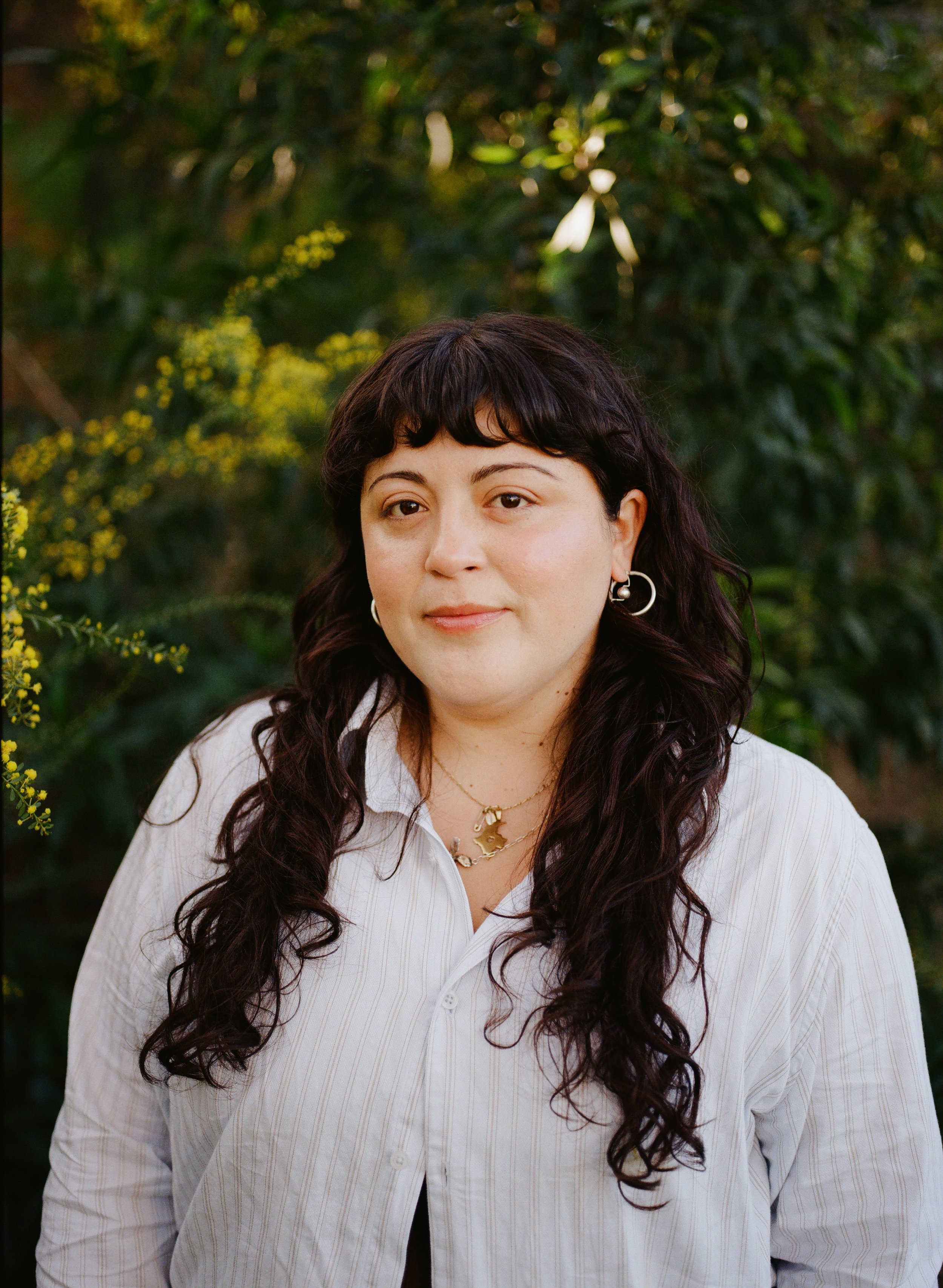
Monika Correa
Place, Design & Intercultural Practice
Monika is a community practitioner and designer with more than 10 years’ experience working alongside community-led networks across Australia, including climate action movements in Queensland, New South Wales and Victoria. Her work spans climate adaptation, disaster recovery, facilitation, design communications, community science and knowledge exchange.
With a Master’s in Disaster, Design and Development, Monika brings international research experience and lived experience of climate disaster in Queensland. Her Indigenous Colombian heritage also informs her interest in how place, culture, local knowledge and relationships shape responses to ecological and societal disruption.
Through Futures We Make, Monika brings a place-based, design and intercultural lens to working with communities, organisations and governments - connecting different forms of knowledge and experience to shape locally-led responses to change.
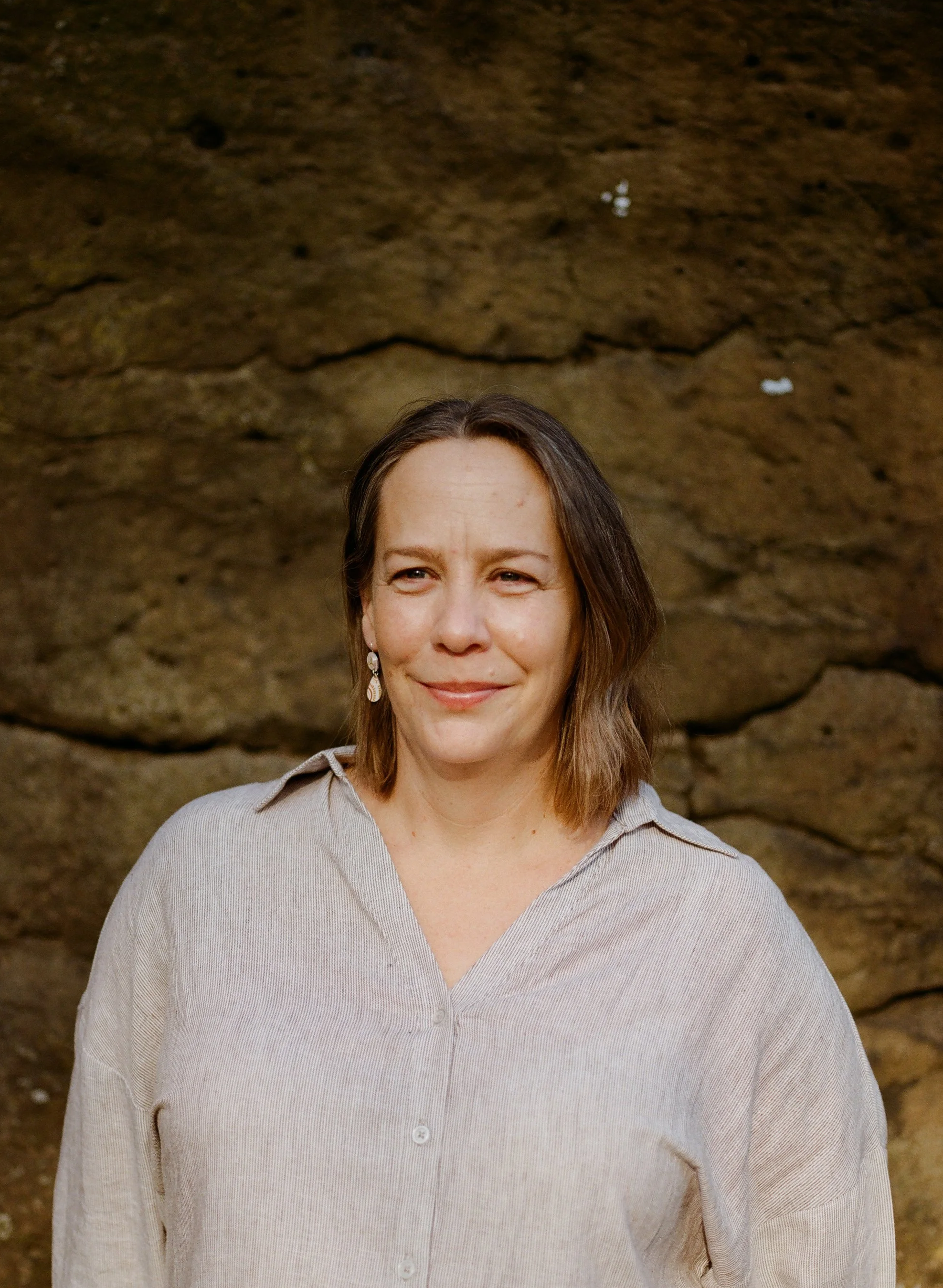
Kate Fawcett
Community, Participation & Change
Kate is a teacher, sociologist and community practitioner with more than 20 years’ experience working alongside communities. Her practice is grounded in both professional expertise and lived experience, including as a member of Strathewen, which was devastated by the Black Saturday bushfires in 2009. In the aftermath, Kate was part of a community that came together to lead its own recovery, establishing community governance, managing charitable funds, and investing in relationships and local priorities.
This experience continues to shape her understanding of community-led practice, knowledge and power. Kate’s recent work has focused on community-led disaster recovery, adaptation and learning, including co-designing a national network. She brings extensive experience in participatory processes, facilitation, community engagement, knowledge translation and learning. Kate is now establishing Futures We Make to explore what becomes possible when communities have greater influence over the futures they choose to make.